
The Beauty of Imperfection
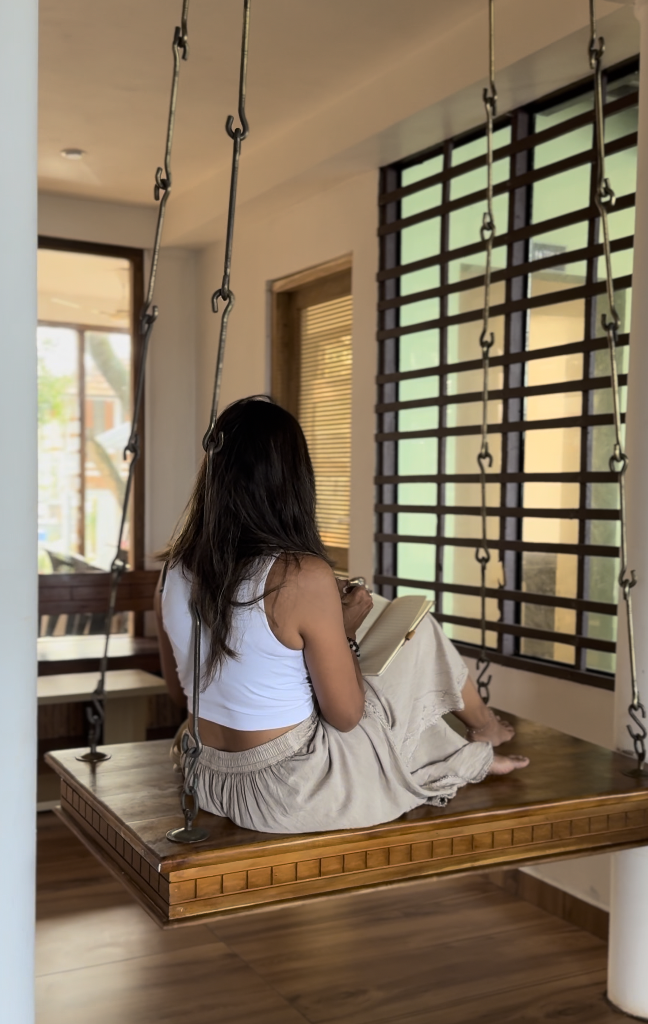
We live in a culture that glorifies perfection: the perfect image, the perfect body, the perfect career, the perfect life on social media.
From an early age, we are taught to believe that we need to meet almost unattainable standards in order to be accepted or valued.
And yet, we forget that true beauty does not lie in perfection, but in authenticity. It lies in what makes us unique, human and, therefore, imperfect.
Imperfection brings us closer
Imperfection is what makes us human. It brings us closer because, by recognizing someone else’s fragilities, we connect with their humanity. Who has never been moved by hearing someone share their vulnerability, their struggles, or their scars? In those sharings we do not see weakness, but courage.
A mistake, a scar, or a flaw are not defects, but marks of life. Each one tells a story: of courage, of learning, of overcoming. They remind us that we are not alone on the path.
It is often in imperfection that we find genuine connection because we do not relate to the mask of perfection, but to the truth of who we are.
Accepting to be free
Accepting one’s own imperfection is freeing ourselves from the prison of external expectations. It is to stop living according to the gaze of others and to choose to inhabit our own life with truth.
When we accept our fragilities, we stop wasting energy hiding them or fighting against them. This act opens space for compassion with ourselves and with others. Acceptance does not mean giving up on improvement, but rather loving ourselves in the process, as we grow.
It is the awareness that we are a work in constant progress.
Just like a ceramic vase that, when broken, can be restored through kintsugi (the Japanese art of repairing with gold), we too can look at our imperfections as marks of value. They do not diminish our beauty, they add depth and meaning to it.
The strength of authenticity
Our beauty does not lie in being perfect, but in being authentic. It is the uniqueness of each person that brings colour, diversity, and richness to the world. When we let go of the mask of perfection, we reveal who we truly are. We become closer, more real, more inspiring.
Authenticity is strength, because it takes courage to be true in a world that so often rewards appearances. When we dare to show ourselves as we are, we open the way for others to feel safe to do the same.
Imperfection is not a flaw, it is identity.
Within it lies our humanity, our strength, and our beauty. I invite you to reflect:
What parts of yourself do you still hide for fear they are not “perfect”?
Which of your fragilities could, in fact, be the bridge to a more authentic connection with others?
True beauty arises when we choose to be whole, not perfect.